
As my partner, Erik, and I drove to the Willamette Valley, we marveled at the geology, plants and how the entire Columbia Basin was formed.
Volcanos, ice, inland seas and floods built up and ripped apart mountains and valleys in so many ways along our route.
We talked about the people who lived here long ago and how the same geology still influences life today.
While people who lived long ago on the Plains chased bison over cliffs and harvested every bone, hide and organ they could use, people who lived along the Columbia must have been thrilled when an entire mountain slid into the river, dammed it up and created an easy crossing below – the Bridge of the Gods.
Now, I raise sheep and cattle on the prairie that used to feed bison.
My soil comes from glaciers that moved across ancient seabeds.
Often, I pick up round granite rocks that rolled as the ice moved.
I spot ripples in flat sandstone rocks, too -- ripples that tell the story of waves on a shoreline.
In Oregon, my brothers raise trees in the dense forests that are fed by clay and loam that was deposited by Columbia Basin floods.
They lay slate rocks on clay logging roads so the trucks don’t get stuck.
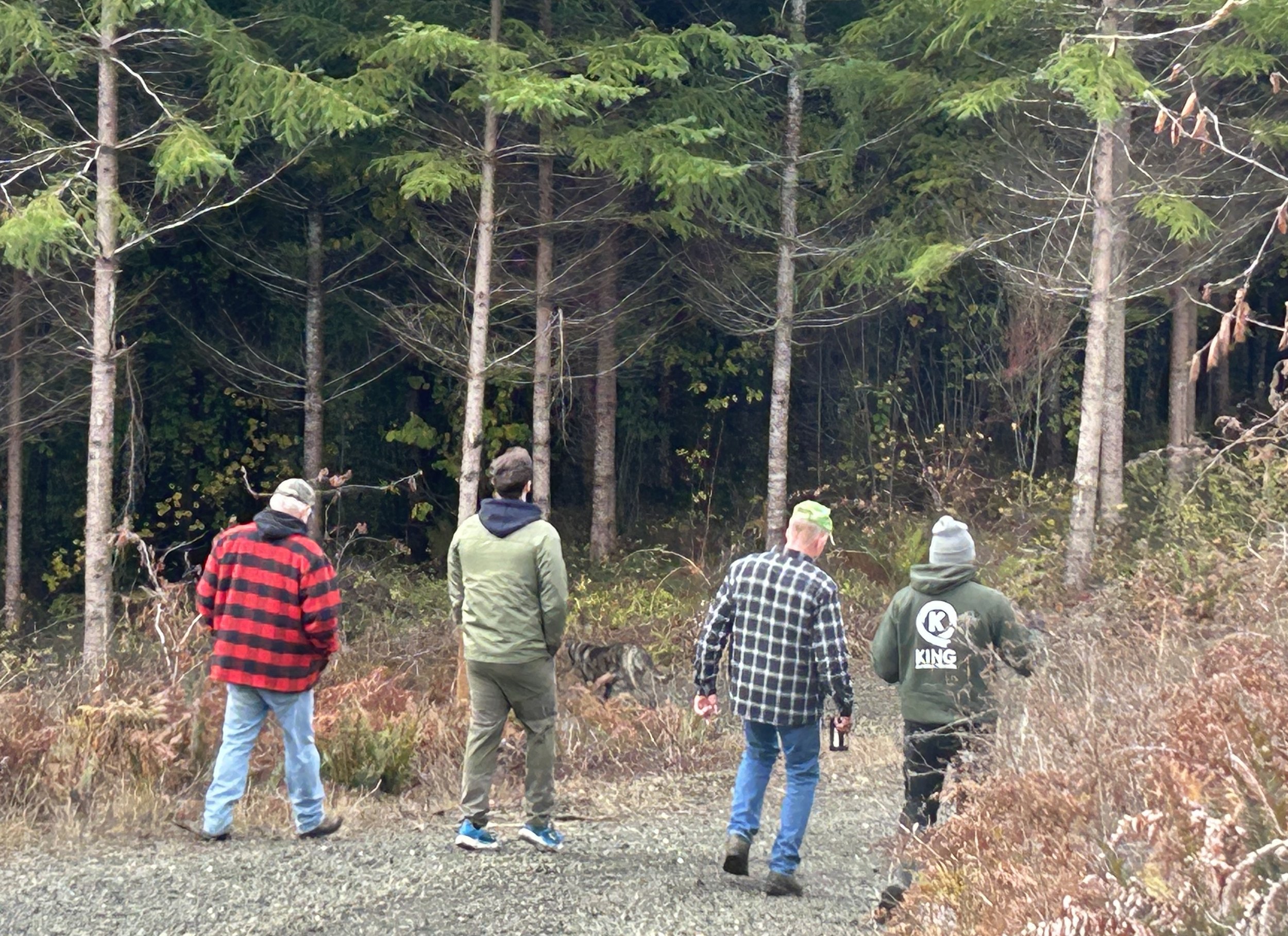
During our visit, my brothers gave a walking tour of one of the family tree farms to my children, Will and Abby, Erik and me.
We talked about the intricate, expensive machinery it takes to cut and move mature trees; the cougars, deer and elk that call the forest home; and the challenges of keeping a tree farm productive.
When they visit my ranch, we have slightly different versions of the same conversations – how and when to sell calves and lambs; how to live with grizzlies, deer and antelope; and the challenges of managing grass that is affected by wildly variable weather.
On our way home, Erik and I stopped at a little coffee shop.
Like the impacts of volcanoes, ice, inland seas and floods that shape life across the West, ubiquitous coffee shops form the foundation of small-town society.
They offer a place for conversations that build friendships and weave threads of community.
As Erik and I sat in the coffee shop, I thought about two restaurants separated by vast distances yet connected by one grizzly attack.
Years ago when a grizzly killed a bunch of my sheep, I called my dad in Oregon to share the story.
He sat at a horseshoe coffee counter every morning with his chosen family, sharing the mundane details of their lives.
A grizzly attack in Montana soon became the obsessive conversation.
Within two days, half of the coffee drinkers were packed and ready to drive 800 miles to illegally kill a marauding bear.
Their plan was to camp atop my steep-roofed old house on a hill above my corral and shoot the bear when it returned.
Visions of flailing men, broken legs and dislocated shoulders filled my head.
Somehow, I managed to talk them out of their valiant effort to protect my livelihood.
At the same time, my husband who was alive then and traveling to visit his new grandson, stopped at a coffee shop in South Dakota.
Farmers were sitting around a table sharing mundane details of their lives.
One of them reported a story about a grizzly attacking a woman’s sheep in Montana and the horrible man who left her alone to deal with the aftermath.
They hashed over every detail.
Whether it’s with cold, hard geology or warm, soft friendships, volcanos and coffee shops both lay solid bedrock for western society.
No matter where we live, we all need both kinds of bedrock.