
Life and Sea Changes
Easter morning dawned glowing with sunrise colors and singing birds.
As I walked to the barn, I thought about past Easters.
My kids and I used to dye eggs during the week before. I had to remember to buy the right candy beforehand, too.
And I always hoped a heifer would not need help bringing a calf to our world on Easter morning.
Then, on mornings just like this one, I would hide eggs before the kids woke up, hoping the dog wouldn’t eat them.
Then I would slip back inside to make up Easter baskets.
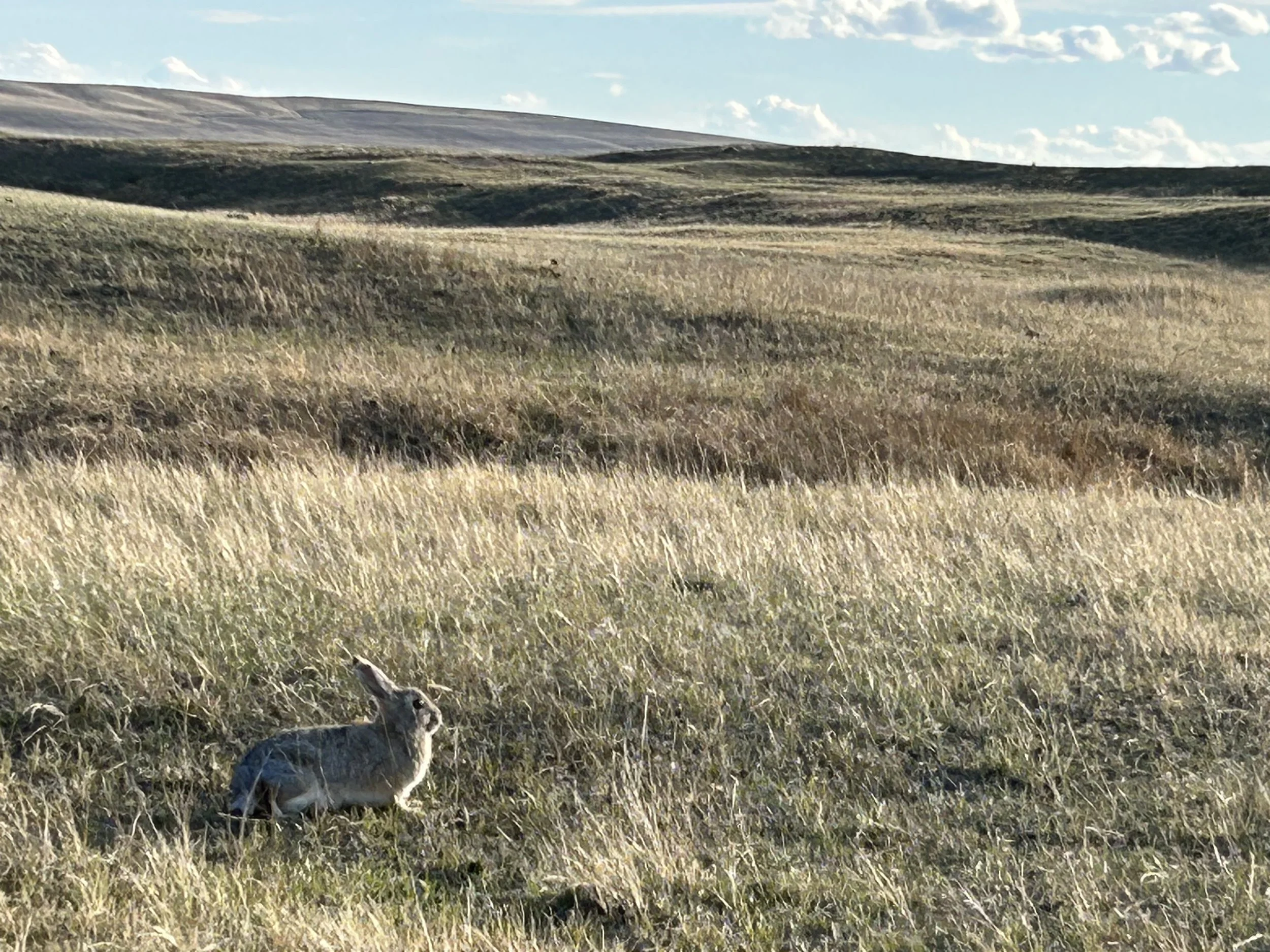
My favorite part of the day was reminding the kids that the Easter bunny lives here at the ranch, only leaving on Easter to make his rounds with candy.
My kids are grown now.
I don’t do these things anymore.
Life has changed.
As I fed my cows and sheep, news appeared on my phone that the gulf stream is signaling a potential collapse.
The juxtaposition of reading about potential environmental disaster while celebrating renewal was not lost on me.
Yet, if the gulf stream collapsed, my life certainly would change again.
The gulf stream circulates warm, surface Atlantic Ocean water from the equator to Greenland, where the water cools, sinks and flows back south.
All of this creates weather in the northern hemisphere – rain and snow when we need it and sunshine the rest of the time.
Computer models confirm red flags for this conveyor system that signal an abrupt collapse could come soon.
A collapse would bring the usual suspects to the table – drought, floods and extreme temperatures, both above and below the equator.
The usual suspects would significantly reduce the food that sits on the table.
As my tractor putt-putted through the green grass of spring, I wondered how people would eat if plants could not grow and water would be either somewhere else or overwhelming.
Raising any animals that have a reproductive cycle beyond six months would be extremely difficult.
Cows and sheep would be out of the question.
Cockroaches, mice, rabbits and chickens could survive.
A reliable plant-based food supply would be unlikely, too – at least until we learn to grow staple crops at altitudes above the tree line.
My friend Ben the pharmacist would have to become a farmer of sorts, concocting food from lab chemicals.
He would have quite a task because humans don’t understand all of the connections among nutrients yet.
Any lab-grown food would probably be missing vital components to our health.
Hungry people often turn violent.
Our entire perception of personal safety and our economy would change.
These doom-and-gloom scenarios contrasted with all of the evidence of renewal that waited patiently for me to notice, if only I would.
The meadowlarks sang Nature’s anthem.
Newborn, silky-black calves nursed their mamas.
The sun colored springtime hues onto the hillsides.
Gophers scampered across the pasture, tempting my dog and reminding me of the thrill of target practice.
I settled into the moment, appreciating the gifts of living in Montana.
When I returned to the house, I gathered up my yam casserole, deviled eggs, and pecan pies – my offerings for Easter dinner with family and friends.
Food would be central to our conviviality, just as it almost always is at celebrations in every culture.
That thought reminded me to appreciate all that other partiers would contribute – I would leave with a full belly.
As I loaded food into my truck, I wondered how I can position my capability and my land’s resources for the potential of extreme weather.
Whatever I do, life will be different.
Maybe I should investigate how to raise rabbits and chickens.
Maybe I really will raise the Easter Bunny.