EPA's Permit to Pollute
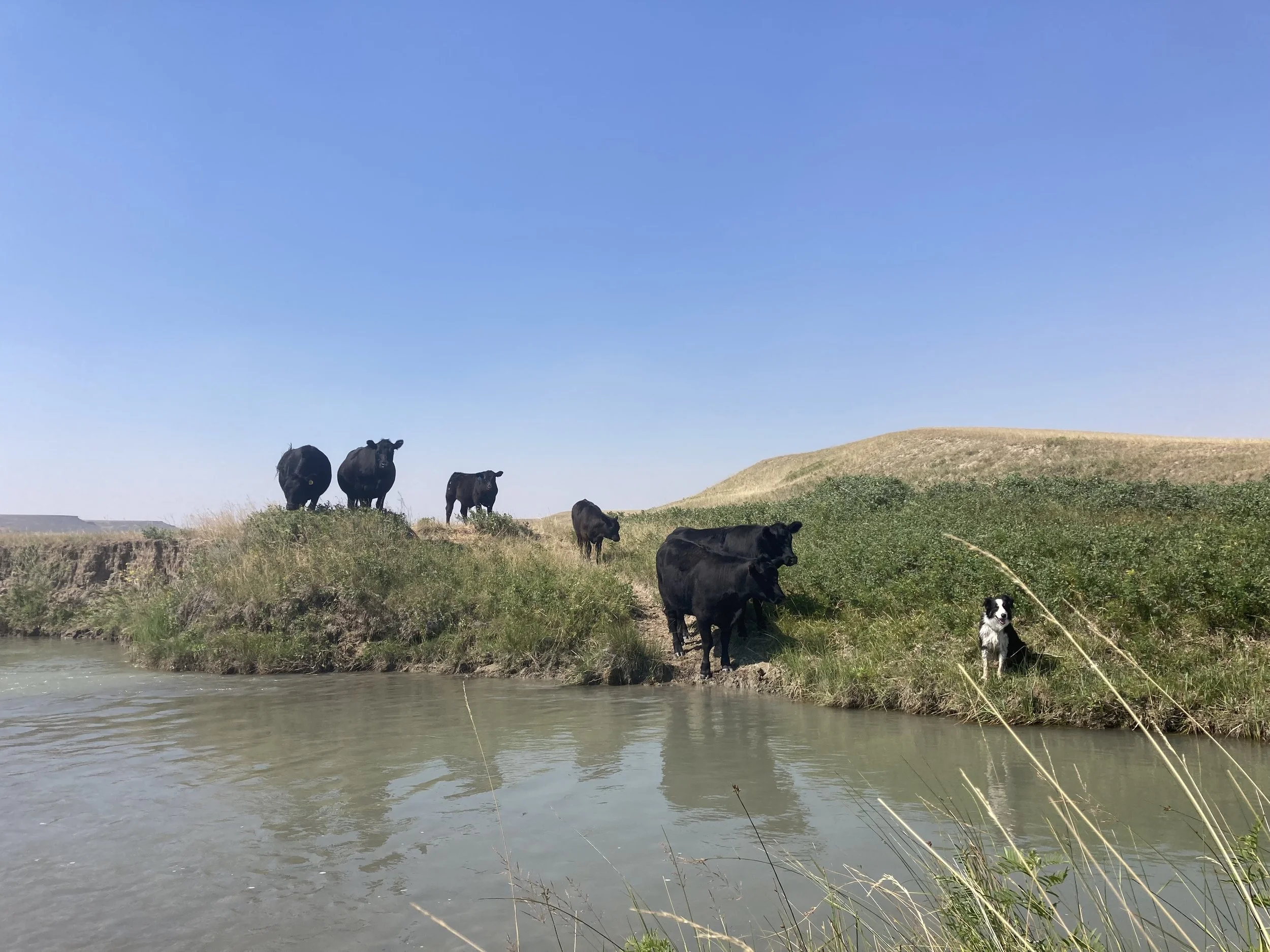
More than three years ago, my neighbors and I learned that a company purporting to make environmentally-sustainable jet fuel planned to inject contaminated wastewater into our aquifer through abandoned oil wells near my ranch.
This plan risked potentially forever poisoning my 16 springs, along with a reservoir that provides irrigation for 77,000 acres and drinking water for several local communities.
If my springs become contaminated, my livelihood and my home will vanish – like invisible swamp gas that suffocates life out of unsuspecting victims.
Yet, at 4:30 on Friday, May 1, our own Environmental Protection Agency granted a permit to use almost 1500 psi of pressure to inject millions of barrels of stinky brown sludge into an old hole.
So many aspects of this plan set off alarms in my head.
First, the EPA and the company, Montana Renewables, count on layers of limestone and shale to separate the gunk from drinking water.
Anyone who has ever stepped on a piece of shale or felt a trembling earthquake understands that shale cracks under pressure.
Even a hiker’s footstep can crumble the layer that is supposed to protect babies and wildflowers and the bread we eat.
The EPA permit allows wastewater to be injected into the Madison Aquifer, a deep, vast, complex, connected sponge running from the Rocky Mountain Front to North Dakota and into Canada.
It is composed of layers of limestone karst, pockets of caves and tunnels likely created when slightly acidic moisture ate away the limestone.
It’s a huge sponge, like the one I use to wipe my kitchen counters. My sponge absorbs greasy spills, but it only holds so much.
If I inject my sponge under high pressure, it explodes.
Portions of the Madison provide clear, pure drinking water to communities across Montana such as Stanford and Roundup while other portions store oil and gas.
We don’t understand how those pockets are separated or which conditions might breach those pockets.
These details could make or break Montana’s agriculture.
Montana Renewables points to the layers of semi-permeable shale and brittle limestone that should, if all goes right, separate their gunk from local drinking water.
What could possibly go wrong?
The water analysis submitted to the EPA noted that the wastewater is acidic.
Limestone dissolves in acid.
Semi-trucks will deliver the wastewater from Great Falls to wells tucked out of site near Valier every day -- more than 7000 140-mile round trips each year.
Even with the best-case scenario, inevitably trucks will spill waste, rut roads and hit wildlife.
The mind-boggling part of this situation is the safer, less expensive, more environmentally sustainable solution – build a water treatment plant at the refinery to clean up and recycle the sludge.
Simple.
So simple that this permit should never even be considered.
Every other sustainable fuels refinery in the world has an onsite water treatment plant.
Instead of doing the right thing, Montana Renewables discounted potential risks.
At one public meeting, the CEO stood up and said the wastewater is safe to drink because it is made from grain oils and animal fat.
I don’t know how to turn grain oil and animal fat into jet fuel, but I’m betting that reliable combustion requires a few additives.
Otherwise, I better quit strapping myself into a tin canister and allowing myself to be launched 30,000 feet into the sky.
While Montana Renewables waited for permit approval, it asked for a federal loan guarantee for about $600 million. They received a guarantee for $1.6 billion.
The loan guarantee did not require building a water treatment plant, but last July Montana Renewables officials promised to build one anyway.
The company still has time – and taxpayers’ money -- to do the right thing.