
Warm Dry Winter
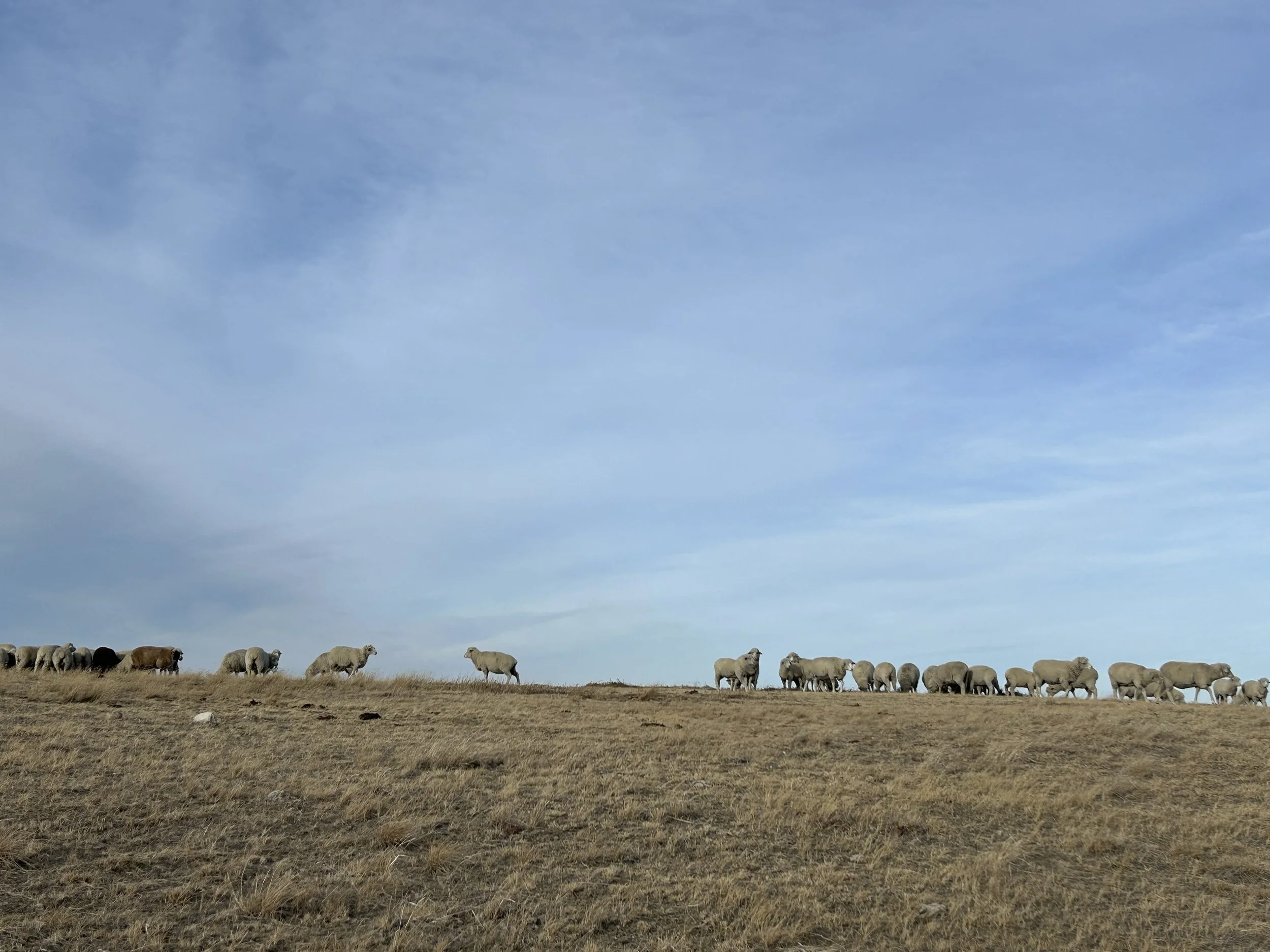
When I walk outside in the morning, I don’t wear long johns.
When I slip into my boots, I think about dust, not snow.
When I jump in my truck, I have to remember to take my coat.
This weather belongs in September, not January.
The forecast predicts this might last into February.
Meanwhile, I roll out hay into the dust for my sheep and cows.
My reservoir is dry.
My springs produce water, but not as much as usual.
Yet it is the best of times and the worst of times.
Nearby mountains hold 150 percent of normal snowpack.
The local ski resort is thriving while others in Montana have barely enough to cover the rocks.
Yet the snow water equivalent of my entire watershed is 73 percent of normal.
It looks like the mountain snowpack will recharge my springs.
While I am not sure how long it takes for the snow to travel underground 50 miles, I am sure that travel time is longer than a year.
I still have time for winter to turn into winter and provide moisture for this spring’s grass, but 79 percent of my county is already classified as suffering from severe drought.
It’s time for me to start making a plan, in case I have no grass and little water.
The moisture-sucking wind howls in the night, waking me and giving me plenty of time to consider my options.
I could sell all of my cows and keep my sheep – sheep don’t need as much water.
Cattle prices are high now so I could stick some cash in the bank.
Sheep prices are only break-even so my flock alone won’t pay my ranch bills next year.
I could sell the sheep so I might have enough grass for my cows, but I am not sure I can provide water for them every day.
Thirsty cows get sick.
Thirsty calves die.
I could sell both the cow herd and my sheep flock, then rent pasture to a neighbor.
That plan would provide flexible use of my land and water and flexible income.
I could hope the weather pattern changes.
It has changed before.
I could buy yearlings, both cattle and sheep, to use the grass and water I have, then sell them when I run out of either grass or water.
Putting myself in the position of a forced sale when I run out of grass feels a lot like drawing an 8 and a 5 at the blackjack table.
But I have an ace in my sleeve.
My ace is that I need that beef and lamb for my ready-to-eat meals that I will start producing next month. If I choose this drought strategy and balance my potential grass and water with my meal production, I might avoid volatile and capricious commodity market prices, protect my land from abuse, keep my livestock healthy and pay my bills.
A lot is riding on that balancing act.
Parts of Montana have plenty of moisture, which influences my decision even though my ranch is in the driest area.
Hay prices are less likely to skyrocket like they did a few years ago when the entire state received no snow or rain.
Some ranchers sold their herds while others bought hay for quadruple the normal price, trying to ride out the drought.
Neither decision is right or wrong for every rancher.
Each of us gets to assess our local situation before choosing a drought strategy.
So, while the wind howls, I switch my bedside lamp on, find a calculator, press pen to paper and consider the odds and implications of the weather forecast.
I hate all that the calculator reveals.