Shearing Before a Storm
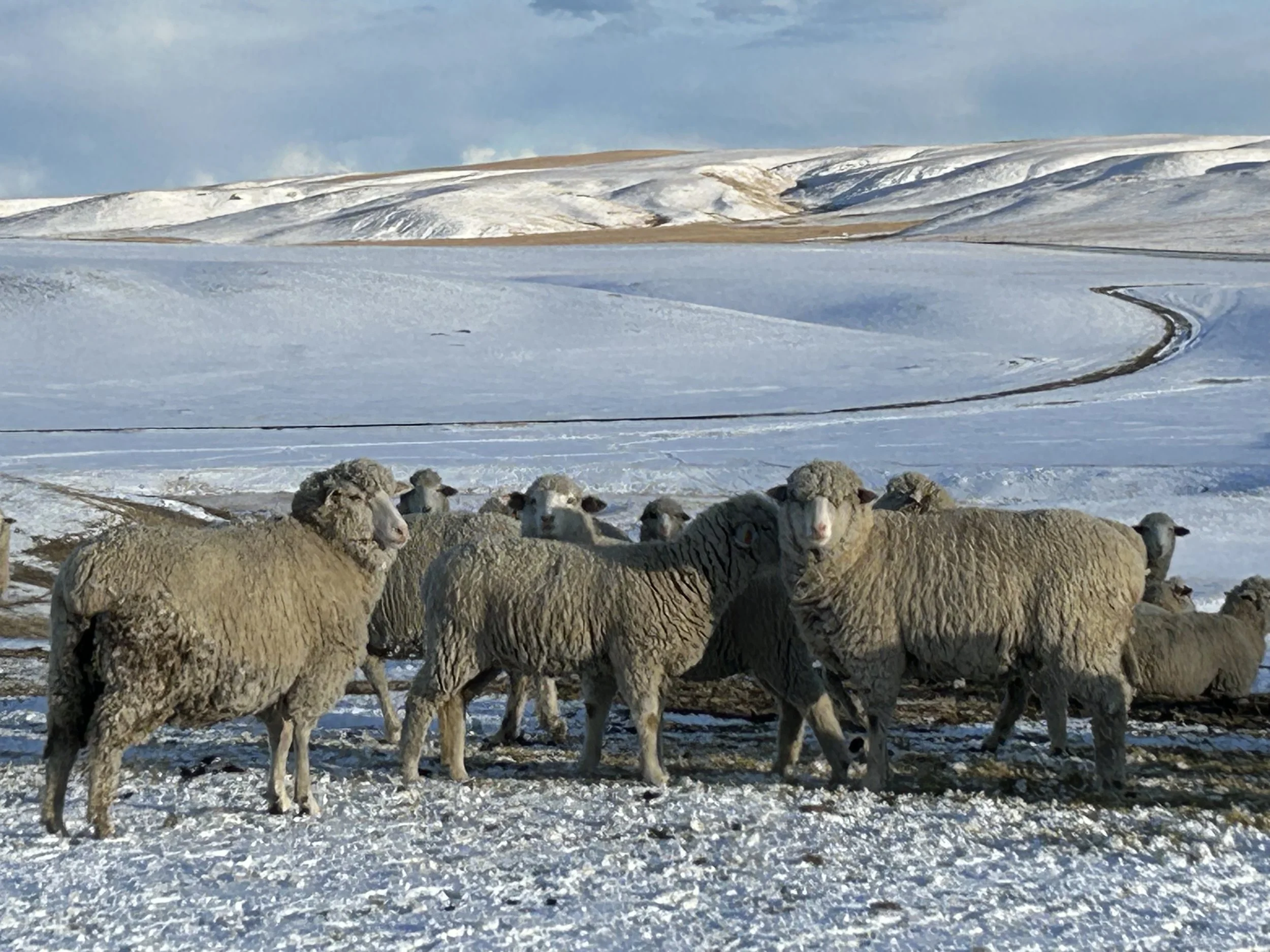
As I watched the snowflakes begin to fill the air, my phone rang.
My sheep shearer, Jake, wanted to bring his crew to the ranch on Wednesday.
I had three days to gather a crew and prepare the barn for a lot of quick action.
The forecast finally – finally! – predicted snow, but Jake could thread the needle between showers and get my sheep shorn before lambing.
Jake and his crew travel throughout Montana so he wanted to get my sheep done while he was in the area.
I need my sheep to be sheared before they start lambing for several reasons.
First, the wool maintains a higher quality before the stress of lambing impacts it.
Second, newborn lambs might try to nurse on wool instead of a teat if wool is long. And during cold weather, I have pulled suffocated lambs from under their woolly mamas.
Third, shearing causes stress on a heavily pregnant ewe.
Wednesday looked like it would be nice weather, but Thursday would bring yet another 80-mph windstorm with snow.
A few years ago, high winds blew Jake’s trailer over, shattering it into kindling.
He and his insurance company rebuilt the trailer just in time for the next shearing season.
Sheep have to be dry or the shearing clippers won’t cut.
Jake asked if I could keep the sheep in the barn for the next two nights so potential showers wouldn’t upend our fragile plan.
Shearing Day takes a lot of effort, but the hard job was coming afterward.
Forecasters predicted 6-18 inches of snow over the next four days.
Wind, rain and snow can freeze naked sheep.
Wool fiber is hollow, creating a thick layer of insulation that captures and holds heat even if the strand is short, as long as that hollow core is sealed.
For about three days after shearing, that hollow core is open so the sheep has no insulation at all.
By the fourth day, even though the wool is short, the fiber is sealed and the sheep stays warm.
Pregnant cold ewes can abort their lambs.
Cold sheep can die.
Sometimes, a sheep producer’s best efforts are not enough.
Long ago, when I worked on a cattle ranch in Utah, our neighbors bought a band of sheep.
They had good timing – wool and lamb prices were high. The rancher’s wife, sick and tired of always being broke, had talked her husband into a good idea.
They hired shearers and all went well.
Until a storm blew in that night.
The neighbors herded their band into a large Quonset hut -- solid protection from the wind and snow.
It was a tight fit for 1000 sheep, but much better than freezing out in a blizzard.
The neighbors went to bed satisfied they had done their best.
The next morning, stifling condensation dripped down on to stiff bodies.
The tightly-packed sheep could not overcome the chilling moisture trapped in that Quonset.
My heart broke for them.
As I planned how I would keep my sheep warm, dry, fed and watered, the image of that pile of frozen sheep seared my mind.
My barn is warm, dry and airy.
Hay and water are outside, in the wind and snow.
I thought about feeding on my open cab tractor without wearing long johns so I could empathize with the sheep.
I don’t need that much empathy.
I figured I could keep most of my sheep alive, but it might not be pretty.
All of this was swirling inside my head when Jake called back.
The wind was coming sooner.
The snow would be deeper.
He wanted to protect his trailer.
I wanted to protect my sheep.
We agreed: Shearing would wait.