Conflicts of Spring
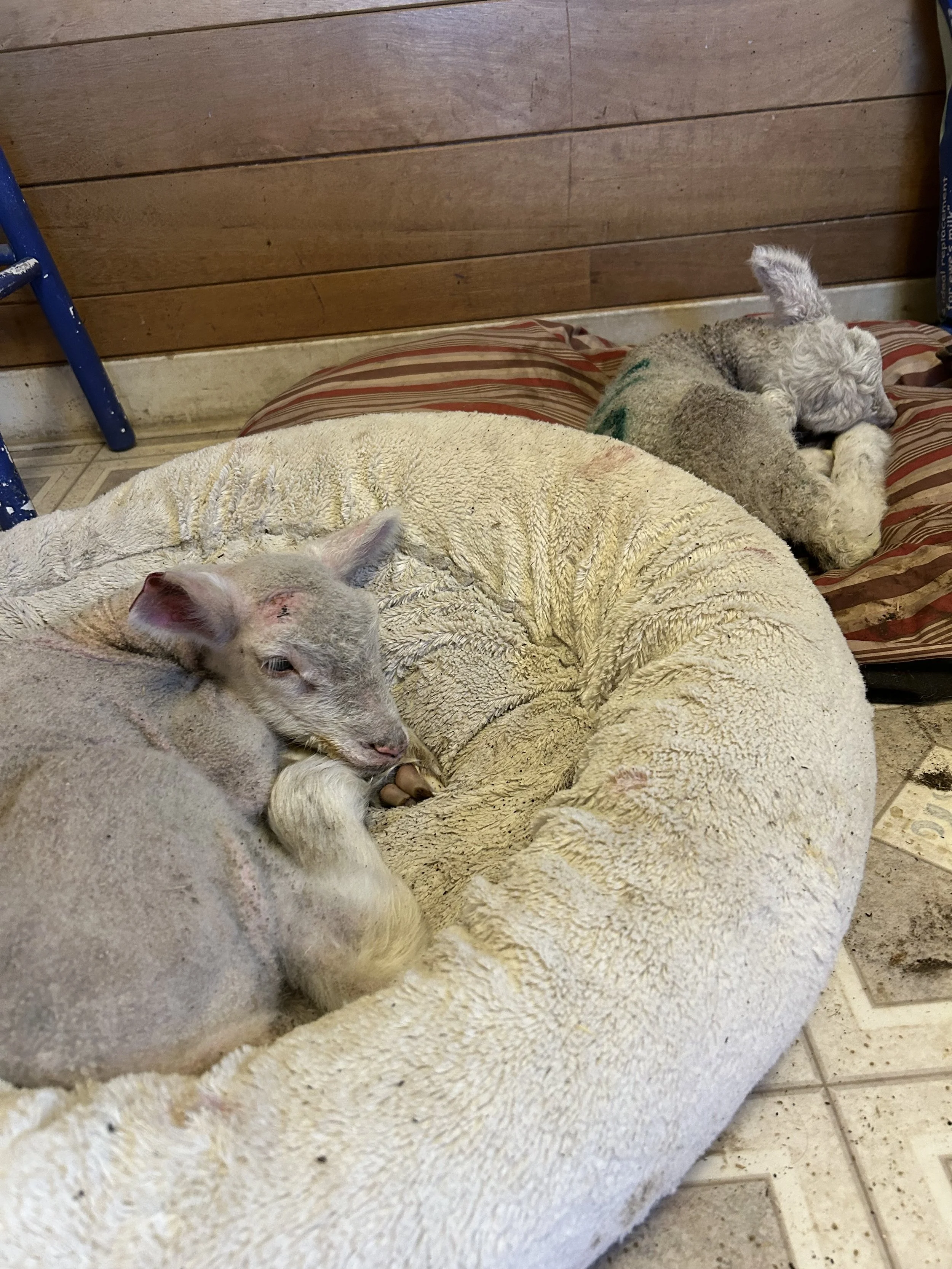
No matter how much preparation I finish during the winter, when the warm weather of springtime hits, everything – and I mean everything – needs to get done right now.
What did I do all winter?
I felt as if I were busy.
Mostly, I spent my winter focused on getting my manufacturing kitchen in Conrad operating.
Once my cool retort pressure cooker arrived in January, I thought my staff would be making ready-to-eat meals within two weeks.
That was naïve, to say the least.
It took six weeks to get a 30-inch hole drilled through the concrete ceiling, much less all of the rest of the venting, plumbing, walls, equipment and USDA certifications.
Meanwhile, calves began to arrive -- mostly happily, healthy and ready to jump up to find breakfast.
Cows being cows, most of them didn’t need me around except to bring hay to them.
The shearers arrived right after my family and friends showed up to give the sheep haircuts.
The kitchen contractors kept hanging pipes and sending bills.
I kept counting weeks on the calendar.
Once the kitchen plumbing is finished, I can flip the switch on the steam generator that powers the retort.
Then the retort company will send a crew to turn it on.
The retort company already views my project as slightly nutty, scoffing at the uneducated captain at the helm and rubbing their hands at a potential opportunity to take advantage of my inexperience.
I can tell from some of their questions that they are confident that I haven’t even thought of some of the critical considerations.
They are probably right.
I can also tell from some of their questions that they have no comprehension of ranching, that they haven’t even thought of most of the critical considerations.
After the retort is operational, a person who tests the heat distribution of the retort and ensures each meal will be cooked safely will work in the kitchen for about a week.
If my kitchen has passed the USDA requirements by then, I can start manufacturing meals.
And begin bringing some cash to the table to pay some of those bills.
The preparations are paying off.
The start-up date is getting close.
Right when lambs will begin to land in the dust.
Like calves, most lambs stagger to their feet and look for breakfast.
Like cows, most ewes are attentive mothers who love their babies.
Unlike cows and calves, ewes and lambs that are left to fend for themselves are likely to encounter deadly forces of Nature.
Lambs fall into badger holes.
They take a nap, sleeping so soundly that they don’t hear the coyote sneaking up for a snack.
They get chilled in the wind or night air, curl up and starve.
They get left behind when the flock migrates to a different portion of the pasture and can’t find their mother.
Lambs need me.
Over the years, I have tried many strategies to be in two places at once, but I haven’t mastered that trick yet.
If I miss the kitchen start-up process, I will miss training on how to operate my complicated massive pressure cooker.
If I miss bringing newborn lambs from the pasture to the barn, they are likely to die.
The retort company is insistent – they can fly to Conrad as early as next week.
I write another check and wonder how long that account will hold up under this pressure.
My ewes waddle under the strain of pregnancy.
I see their bellies drop and their udders fill in preparation for birth.
I send a note to the retort company.
I won’t leave those soon-to-be newborns to the whims of Nature.
My meal production will wait.