County Fair Education
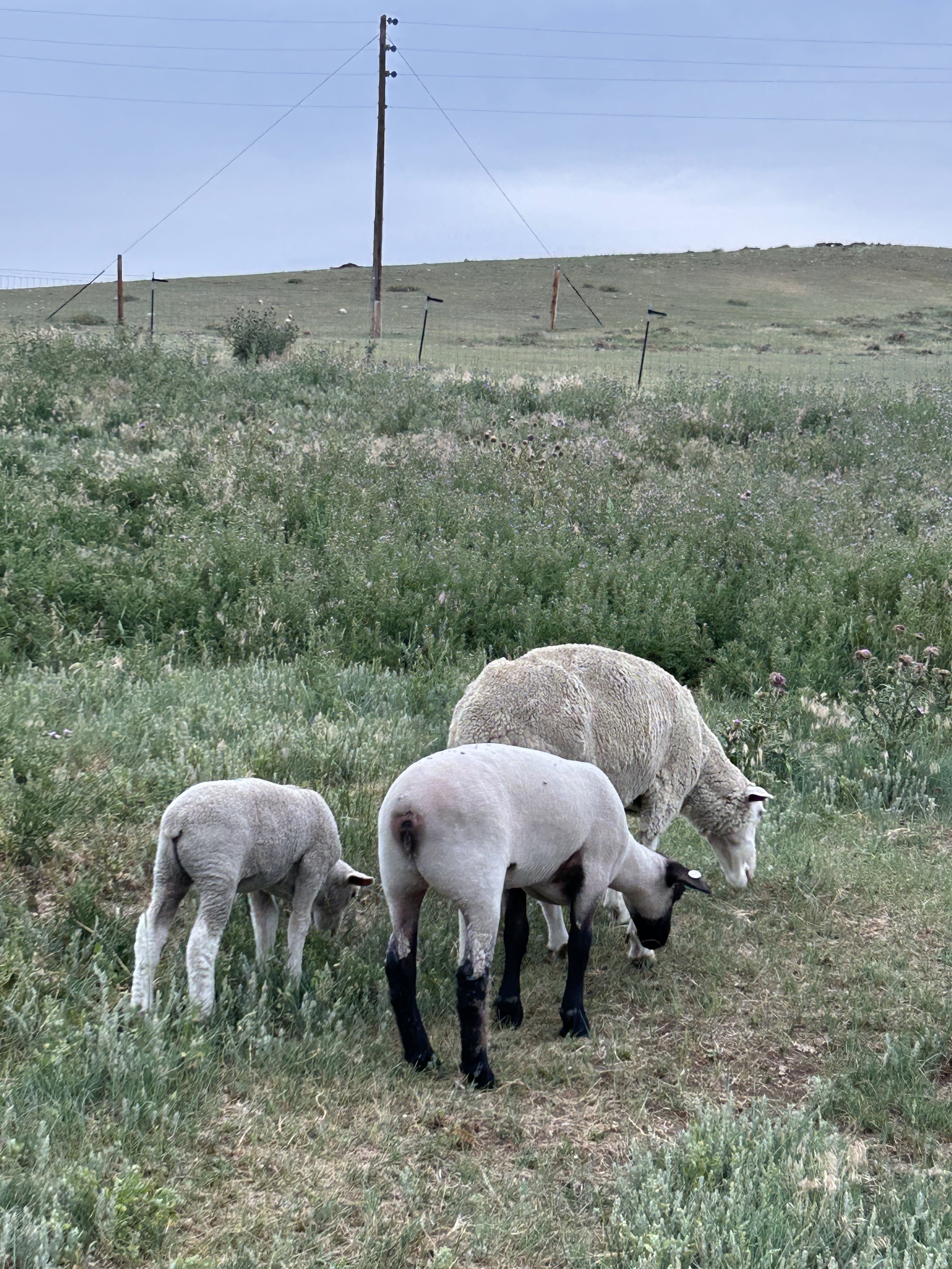
As my partner, Erik, and I pulled into the 4H fairgrounds, the rows of tightly-packed camper trailers made my chest tighten and heart race.
I couldn’t imagine volunteering to stay in that hell on earth, yet I admired the parents who found ways to seemingly enjoy the camaraderie of sharing cold beverages, reminding kids of their responsibilities for caring for livestock, working on behind-the-scenes logistics so the livestock sale auctioneer would have a stage and ensuring the toilets functioned, among other thankless duties.
They seem to maintain their sanity even while listening to the neighbors snore above the buzz of 50 air conditioners running all night.
Bless their hearts.
They keep the fair running so the fair can educate so many kids who enter their best work.
The kids who bring livestock plan and prepare for months ahead of time.
They learn to put the well-being of their animals above their own needs – feeding, watering, cleaning pens and keeping the animals cool even when they are tired or hungry themselves.
They learn to meet a target weight for a finished beef or sheep or hog and, implicitly, learn the demands of the meat packing industry.
It’s heartwarming to see the business community reward the kids for their hard work through the livestock auction.
Local businesses bid far higher than the market price of a steer, lamb or hog so the kids make a profit.
Often the business doesn’t want to actually take the animal to a meat processor; the business owner just wants to advertise support for 4H.
So another buyer pays the market price for the animal and then takes it home.
This convoluted system creates one more way for adults to help kids learn lessons in agriculture and life.
Still, sometimes I struggle with the artificial conditions of finishing an animal by a specific date, especially when that date is mid-July.
It is difficult to push a 16-month-old steer or a 7-month-old lamb to reach slaughter weight that fast.
It can be done, but to make a human gain that quickly, a man would have to sit in a recliner all day and eat Montana Moose Moss ice cream steadily for six months.
Even worse, it is as easy to grow an animal to what is judged overfat as it is to leave one needing more time to reach the target weight.
Breeding livestock – the heifers and ewes who leave the fair to go to a herd or flock – need to meet strict criteria, too.
The winning window is narrow.
This sounds eerily similar to the fashion industry’s narrow definition of an attractive woman.
At least in the sheep industry, unlike the fashion industry, ideal weight is theoretically correlated to output.
The livestock show world declares a ewe can be too skinny or too fat and those deviations will impact her production.
Certainly, an extremely skinny or extremely fat ewe would have a hard time raising a lamb, but the window is wide. A ranch ewe will never lollygag in a recliner with a quart of ice cream and every rancher knows you can’t starve a sheep into profit.
So when a local business supported a 4H kid by purchasing her lamb for more than five times the market price, but the buyer who promised to take the lamb home reneged because the judge declared it too fat, the 4H kid learned an unwelcome life lesson: Some adults are not dependable.
I was appalled.
Fortunately, her parents scrambled, a neighbor ended up with a fancy ewe lamb and the kid was reminded that she lives in a community who believes in her.
Sometimes, adults learn life lessons at the fair, too.